

How to Prevent Falls at Home: A Practical Guide for Older Australians Wanting to Stay Independent


Why Fall Prevention Matters More Than Most Families Realise
For many older Australians, remaining in the family home is deeply important. Home represents independence, comfort, routine and connection to memories built over decades.
Yet as mobility, balance, vision and confidence gradually change over time, everyday environments can quietly become more hazardous than many people realise.
A loose rug.
A poorly lit hallway.
A slippery bathroom floor.
A single step at the front entrance.
Small issues can quickly lead to serious consequences.
Falls are one of the leading causes of injury-related hospitalisation among older Australians, and even a relatively minor fall can affect:
confidence
mobility
independence
recovery time
long-term wellbeing
What many families do not realise, however, is that many falls are preventable through thoughtful planning, practical home adjustments and early intervention.
The goal is not to turn a home into a hospital-like environment. The goal is to create a safer, more functional and more comfortable space that supports independent living for longer.
The Hidden Reality of Falls at Home
Many fall risks develop gradually.
Often, older Australians continue navigating familiar environments through habit and determination, even when movement becomes more difficult or unsafe over time.
Families may not notice problems until:
a fall occurs
a near-miss happens
mobility suddenly declines
a hospitalisation changes circumstances
confidence begins deteriorating
Unfortunately, after a serious fall, many older Australians become understandably fearful of moving around the home, which can lead to:
reduced activity
social isolation
further loss of strength and mobility
declining independence
This is why proactive planning is so important.
The Most Common Fall Risks in Australian Homes

Bathrooms
Bathrooms are one of the highest-risk areas in the home. Common hazards include:
slippery tiles
step-over showers
lack of support rails
awkward toilet access
poor lighting
difficult tap fittings
Simple improvements such as grab rails, hand-held showers, non-slip flooring and improved layouts can make a significant difference.

Stairs & Entryways
Even a single step can become increasingly difficult over time. Risks may include:
uneven pathways
poor visibility
lack of handrails
slippery outdoor surfaces
narrow stair access
Addressing these early can help reduce injury risk and improve confidence moving around the property.
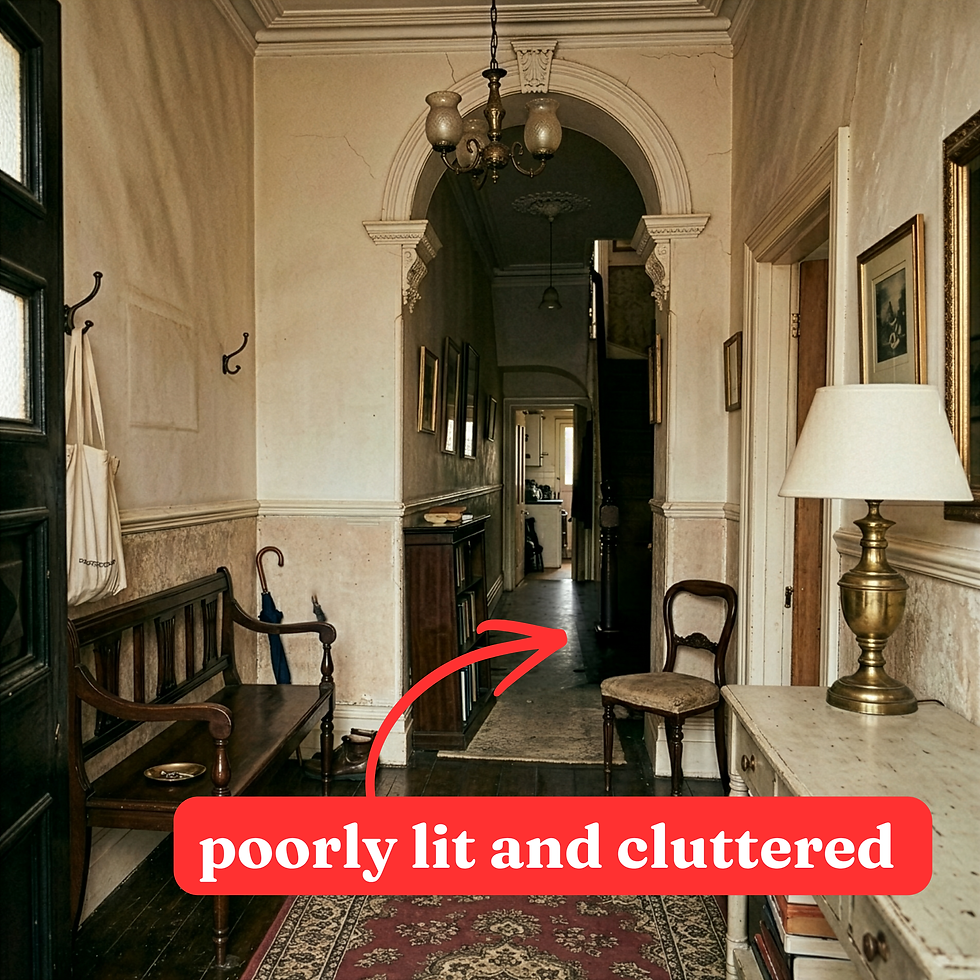
Clutter & Narrow Walkways
Many older Australians accumulate belongings over decades, and while these possessions often hold emotional value, cluttered spaces can increase:
trip hazards
restricted movement
difficulty using mobility aids
emergency access concerns
Thoughtful decluttering and improved home organisation can dramatically improve safety without making the home feel empty or impersonal.
Poor Lighting
Vision changes are a normal part of ageing.
Dim hallways, shadows, poorly lit bathrooms and difficult-to-see transitions between rooms can all contribute to falls.
Improved lighting is often one of the simplest and most effective safety upgrades available.

DIY Maintenance Jobs Gone Wrong
Many older Australians take pride in looking after their own homes. From cleaning gutters and changing light bulbs to fixing shelves or doing garden maintenance, these tasks can feel like part of staying active and independent.
However, as we age, balance, strength, reaction time and mobility naturally change — often gradually enough that we may not notice our limitations straight away. Unfortunately, this is why falls during DIY jobs are so common among older homeowners.
Simple tasks such as climbing ladders, carrying tools, reaching overhead, or working on uneven outdoor surfaces can quickly become dangerous. Every year, Australian hospitals treat thousands of older people for injuries caused by falls from ladders, steps and roofs while attempting routine home maintenance.
Common high-risk DIY situations include:
Climbing ladders to clean gutters or change globes
Reaching overhead while painting or repairing fixtures
Carrying heavy items in garages or sheds
Using unstable chairs or stools instead of proper equipment
Working on slippery driveways, paths or outdoor areas
Rushing to complete tasks without assistance
The safest approach is not to give up maintaining your home altogether, but to recognise when a task is better handled with help. Asking a family member, trusted tradesperson or support service to assist with higher-risk jobs can prevent serious injuries and help you stay independent for longer.
Everyday Tasks Becoming Harder
Many falls occur during ordinary activities such as:
carrying laundry
reaching overhead
navigating stairs with groceries
getting in and out of the shower
moving around at night
When everyday tasks become physically demanding, small environmental improvements can help reduce strain and improve confidence.
Small Home Changes That Can Make a Big Difference
One of the biggest misconceptions about ageing-at-home safety is that major renovations are always required.
In reality, many highly effective improvements are relatively straightforward and affordable.
Examples may include:
grab rails
stair handrails
lever tap sets
hand-held showers
non-slip surfaces
sensor lighting
improved pathways
threshold ramps
smart safety devices
rearranging furniture for safer movement
These smaller adjustments can often significantly improve everyday usability and reduce risk.
When Larger Home Modifications May Help
For some people, more substantial accessibility upgrades may become necessary to support ongoing independence at home.
These may include:
accessible bathroom renovations
wheelchair ramps
stair lifts
residential home lifts
widened doorways
step-free access solutions
mobility-friendly layout changes
While larger modifications can feel overwhelming initially, many families find they provide long-term benefits that help avoid premature moves into higher-care environments.

Assistive Technology Is Changing Ageing at Home
Technology is playing an increasingly important role in helping older Australians remain safe and connected.
Modern assistive technology solutions may include:
emergency alert systems
fall detection devices
smart doorbells
video communication tools
motion sensor lighting
medication reminders
smart locks
voice-controlled devices
These technologies can provide reassurance for both older Australians and their families while supporting greater independence.
Government Funding Support for Home Modifications in Australia
Many Australians are unaware that government-funded aged care programs may help support certain home modifications and assistive technology solutions.
Assistive Technology & Home Modifications (AT-HM)
Under Australia’s aged care system, eligible older Australians may be able to access support for home modifications and assistive technology through programs linked to My Aged Care and the evolving Support at Home framework.
Depending on individual circumstances and assessments, funding support may assist with:
minor home modifications
accessibility improvements
mobility-related upgrades
assistive technology
bathroom safety improvements
safety-focused installations
Eligibility and funding pathways vary depending on:
care assessments
mobility needs
independence goals
existing care arrangements
Working With Existing Care Providers
Many older Australians already receiving Home Care Package support or aged care services may be able to explore home modification pathways through their existing providers or care coordinators.
This process can sometimes involve:
occupational therapist assessments
care plan discussions
funding approvals
provider coordination
implementation planning
Navigating these systems can feel complicated for families, especially during stressful periods following illness, injury or mobility changes.
A Holistic Approach Is Often Best
The safest homes are rarely the result of a single product or modification.
Instead, effective ageing-at-home planning usually involves a combination of:
home safety improvements
accessibility planning
decluttering
technology support
practical organisation
mobility-focused changes
preventative thinking
This holistic approach helps create homes that remain:
comfortable
functional
dignified
safe
supportive of independent living
Planning Ahead Often Leads to Better Outcomes
One of the most important things families can do is begin planning before a crisis occurs.
Waiting until after:
a fall
hospitalisation
major injury
sudden mobility decline
often creates:
stress
rushed decisions
emotional pressure
limited options
Proactive planning allows older Australians to adapt their homes gradually and thoughtfully while maintaining greater control over the process.

How LiveWell Retirement Concierge Can Help
LiveWell Retirement Concierge provides practical ageing-at-home support designed to help older Australians continue living safely, comfortably and independently at home.
We help coordinate solutions across:
home safety
fall prevention
accessibility improvements
home modifications
assistive technology
decluttering and organisation
trades coordination
ageing-at-home planning
While LiveWell is not a government-accredited aged care provider, we can:
collaborate with existing care providers
work alongside occupational therapists and support coordinators
help families understand available pathways
assist with practical implementation once approvals are in place
Most importantly, we help simplify what can otherwise feel like an overwhelming process for older Australians and their families.
Final Thoughts
Growing older should not automatically mean giving up the comfort and familiarity of home.
With thoughtful planning, practical support and the right home environment, many older Australians can continue living safely and independently for far longer than they initially expect.
Often, the most effective changes are not dramatic. They are the practical, well-considered improvements that quietly make everyday life safer, easier and more comfortable.
And when families begin planning early, they are far better positioned to preserve both independence and peace of mind for the years ahead.
Concerned About Safety at Home?
LiveWell Retirement Concierge can help assess practical ways to improve home safety, reduce fall risks and support safer independent living.


Comments