

10 Practical Tips for Home Security in Melbourne Homes
- Mina Khatri
- Apr 11
- 4 min read
Updated: Apr 24
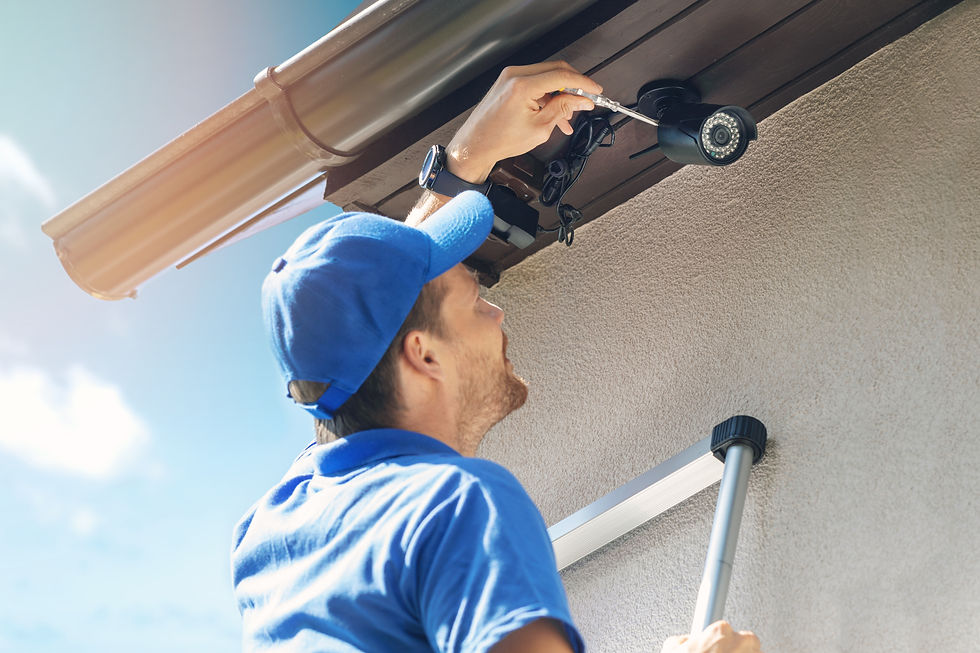
If you live in Melbourne, you have probably noticed that conversations about home security come up more often these days.
Every so often there are news stories about break-ins or home invasions in suburban areas, and even if you do not know anyone personally affected, those stories can stick in your mind.
For many older Australians, especially those living on their own or as a couple, that naturally leads to questions like: “Is my home still as safe as it used to be?”
The reality is a bit more balanced than the headlines suggest. Most suburbs in Melbourne are still very safe, and serious incidents are relatively rare when you look at the overall numbers. At the same time, feeling secure in your own home is important, and that feeling matters just as much as the statistics.
It is also one of the reasons some people consider moving into retirement villages or managed communities, where there is often a stronger sense of structure, neighbours nearby, and additional security features.
Others, however, strongly prefer to stay in their own homes. Familiar streets, long-time neighbours, and the comfort of their own space are hard to replace.
There is no right or wrong choice here. It really comes down to what feels right for you.
But if you do choose to stay at home, the good news is this: you do not need expensive systems or complicated setups to feel safer. A few simple changes can make a real difference.
1. Start With Doors and Windows
This sounds obvious, but it is the most important place to start.
Make sure:
Doors close properly and lock smoothly
Window locks actually work (not just “sort of”)
Sliding doors have a proper locking bar or secondary lock
A lot of homes have small issues here that are easy to fix but often get overlooked.
2. Add Motion Lights Outside
A well-lit home instantly feels safer and usually is safer.
Motion sensor lights are useful because:
They turn on when needed
They do not waste electricity
They cover dark corners around the house
Focus on front entrances, driveways, and side paths.
3. Consider a Smart Doorbell
These have become very popular for good reason.
They let you:
See who is at the door
Talk to visitors without opening it
Check deliveries when you are out
For many people, it adds a simple layer of confidence.
4. Keep the Outside of Your Home Clear
Overgrown bushes or clutter near windows can unintentionally create hiding spots.
A good rule of thumb is simple: If you cannot easily see it from the street, it is worth trimming or clearing.
This does not mean removing all greenery, just keeping sightlines open.
5. Don’t Forget to Check Locks Regularly
Locks wear out slowly over time, so you do not always notice until something sticks or stops working properly.
Every so often, check:
Front and back doors
Windows
Garage doors and side gates
If anything feels loose or unreliable, it is worth fixing sooner rather than later.
6. Keep Security Cameras Simple
Security cameras can be useful, but only if they are easy to use.
The best systems are:
Simple to access on your phone
Easy to check without fuss
Not overloaded with features you will never use
A simple working system is far better than a complicated one you avoid touching.
7. Make Your Home Easy to See From the Outside
This one is often overlooked.
Homes that are visible from the street tend to feel safer and often are safer.
That means:
Keeping windows clear of heavy obstruction
Avoiding dark, hidden entry points
Using lighting where needed
It is about visibility, not exposure.
8. Check Side and Back Access Points
Most people focus on the front door, but side and rear access points matter just as much.
Take a moment to check:
Side gates
Back doors
Garage access
These areas are often forgotten but easy to secure.
9. Use Lighting Timers When You’re Away
A simple trick that still works well.
Set a few lights to turn on in the evening if you are out.
It creates the impression that someone is home, even when they are not.
Nothing fancy, just a bit of routine lighting.
10. Keep Things Simple Enough to Maintain
This is probably the most important point.
A security setup is only useful if you actually use it.
If it is:
Too complicated
Hard to remember
Or annoying to manage
it tends to get ignored over time.
Simple almost always wins.

When It Starts Feeling Like Too Much
Some people enjoy setting all of this up themselves, and that is great.
Others find that managing different devices, trades, and decisions can start to feel like more effort than it is worth.
At that point, having someone help coordinate things can take the pressure off and make sure everything actually works properly without you needing to think about it all the time.
Final Thought
Good home security is not about turning your home into a fortress.
It is about reducing uncertainty, improving clarity, and knowing you have taken sensible, practical steps to make your home feel safe and well protected.


Comments